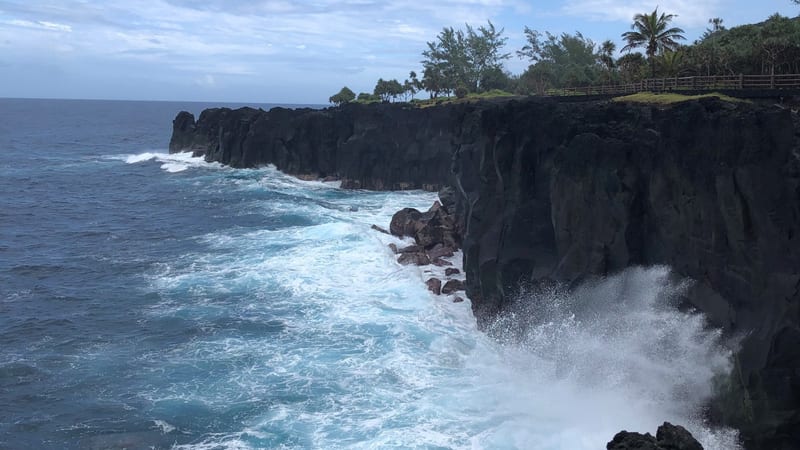
The Piton de la Fournaise, the Reunion volcano, rises to 2,632 m in the south-east of the island. Getting there is an experience in itself: a road that starts by the sea and ends up "on the Moon", climbing through high plateaus and mountains. At the end lies the Enclos Fouqué and, if luck is on your side, an eruption, as this is a very active volcano. From La Plantation in Saint-Joseph, it makes one of the great days of a stay in the Wild South.
Reunion Island volcano: what you will see
The forest road to the volcano starts at Bourg-Murat, on the Plaine des Cafres, and winds up through the highlands into a landscape you won't forget. Hiker or not, you can enjoy the volcano at your own pace:
- the Plaine des Sables, a bare, moon-like plain the road runs across;
- the Pas de Bellecombe, a viewpoint over the Enclos Fouqué and the volcano's cone;
- the walk down into the enclos, open to non-hikers too;
- for the bravest, the climb to the Dolomieu crater at the summit (6 hours return).
Piton de la Fournaise: an active volcano under watch
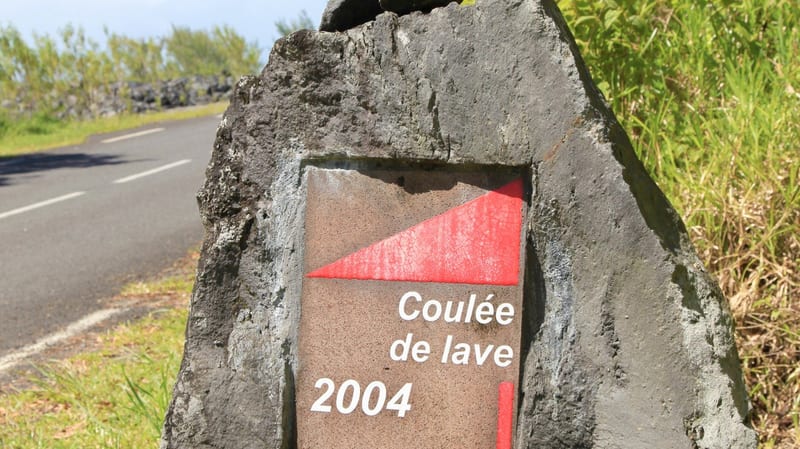
The Piton de la Fournaise lies within the Reunion National Park, whose "Pitons, cirques and remparts" were added to the UNESCO World Heritage list in 2010. Its lava flows sometimes run all the way down to the ocean across the Grand Brûlé: you can read their story along the Route des Laves (lava road), and even step inside an old flow on a guided visit of the lava tunnels. To understand the volcano before or after your trip, the Cité du Volcan museum in Bourg-Murat is right on your way.
Access to the enclos is closed during eruptions by order of the Prefecture. Before you set off, check the Prefecture's announcements and the updates from the Piton de la Fournaise Volcano Observatory; for the hike to the crater, a qualified guide can tell you about the terrain and the conditions of the day.
Getting to the volcano from La Plantation
From Saint-Joseph, head to Bourg-Murat on the Plaine des Cafres, then follow the volcano forest road to the Pas de Bellecombe. Hikers can also reach the Plaine des Sables on foot from the Langevin river valley, on the trail described on our Cap Blanc, Grand Pays and Plaine des Sables page. All our outdoor ideas are gathered on the page hiking, canyoning and volcano in the Wild South, and our guide to a stay in the Wild South helps you plan the rest of your days.
Your hosts' tips for a volcano day
Keep another day for the ocean side: follow the coast road east and the lava road and the lava tunnels of the Grand Brûlé show you the volcano from a different angle. And when you come back, the Volcan room lives up to its name.
Fancy exploring the volcano from the Wild South? Settle into one of our rooms with a private terrace and drop Aurélie and Eric a line: they will share what they know about current conditions and can recommend guides.